


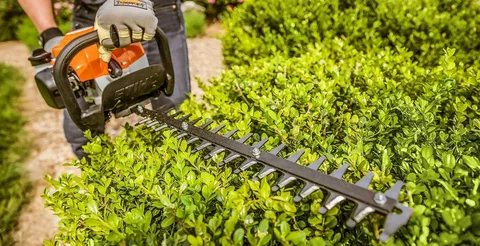
Maintaining healthy, beautiful shrubs requires more than just regular trimming—it also depends on the tools you use. Many gardeners don’t realize that the very equipment meant to keep their greenery in shape could be causing harm. Why your old hedge trimmer might be damaging your shrubs is a question every home gardener should consider, especially if they notice browning tips, ragged cuts, or slow regrowth.
The Hidden Dangers of Dull Blades
One of the most common issues with aging hedge trimmers is dull or rusty blades. Over time, repeated use wears down the cutting edge, making it less effective. Rather than slicing cleanly through branches and leaves, a dull blade crushes and tears plant tissue. This creates jagged wounds that not only look unsightly but also leave your shrubs more vulnerable to pests and disease.
Symptoms of Damaged Shrubs
- Browning or yellowing at the edges of cuts
- Uneven or shredded leaf tips
- Slower than usual growth after trimming
- Increased insect activity or signs of rot
If you’re seeing any of these signs, it’s time to ask yourself: Why your old hedge trimmer might be damaging your shrubs, and whether it’s worth replacing or servicing.
Misalignment and Mechanical Wear
Even if your trimmer’s blades are sharp, the tool itself may have developed internal issues. Older hedge trimmers can suffer from misaligned blades, worn gears, or faulty motors that affect their precision. A trimmer that once made clean, efficient cuts might now vibrate excessively or jerk during operation—both signs that it could be doing more harm than good.
Manual vs. Electric: Is Age Making the Difference?
Older manual or electric hedge trimmers may not have the cutting power or safety features of newer models. Modern trimmers come with dual-action blades, ergonomic designs, and better balance, reducing the risk of user error and shrub injury.
So when you wonder why your old hedge trimmer might be damaging your shrubs, remember that outdated technology may be part of the problem.
What You Can Do
- Sharpen or Replace the Blades: Regular maintenance is key. Dull blades should be sharpened or replaced yearly.
- Inspect for Rust and Debris: Clean your tool after every use and oil the blades to prevent corrosion.
- Upgrade When Necessary: If your trimmer is more than five years old and showing signs of wear, consider upgrading to a newer, more efficient model.
Conclusion
Your shrubs are a vital part of your landscape’s appeal and health. Using outdated or poorly maintained tools can lead to long-term damage. Why your old hedge trimmers might be damaging your shrubs is not just a question—it’s a warning sign. Regular maintenance, proper technique, and timely upgrades are essential for keeping your greenery lush and thriving.
