


An air conditioner works hard to keep your home comfortable, especially during the warmer months. Whether it’s running every day or only during certain seasons, regular care can help it perform more efficiently and reduce the likelihood of unexpected problems. Like any major household appliance, an air conditioning system benefits from routine maintenance rather than waiting until something goes wrong.
The good news is that many simple habits can help keep your air conditioner in good condition. While some maintenance tasks should always be left to qualified HVAC professionals, homeowners can also play an important role in supporting the system’s performance.
Replace the Air Filter Regularly
One of the easiest ways to care for an air conditioner is by replacing or cleaning the air filter according to the manufacturer’s recommendations.
A dirty filter can restrict airflow, making the system work harder to cool your home. Reduced airflow may also affect indoor comfort and cause the unit to run longer than necessary.
How often a filter should be changed depends on factors such as the type of filter, how often the system runs and whether pets or allergies are part of the household. Checking the filter regularly can help determine when it needs attention.
Keep the Outdoor Unit Clear
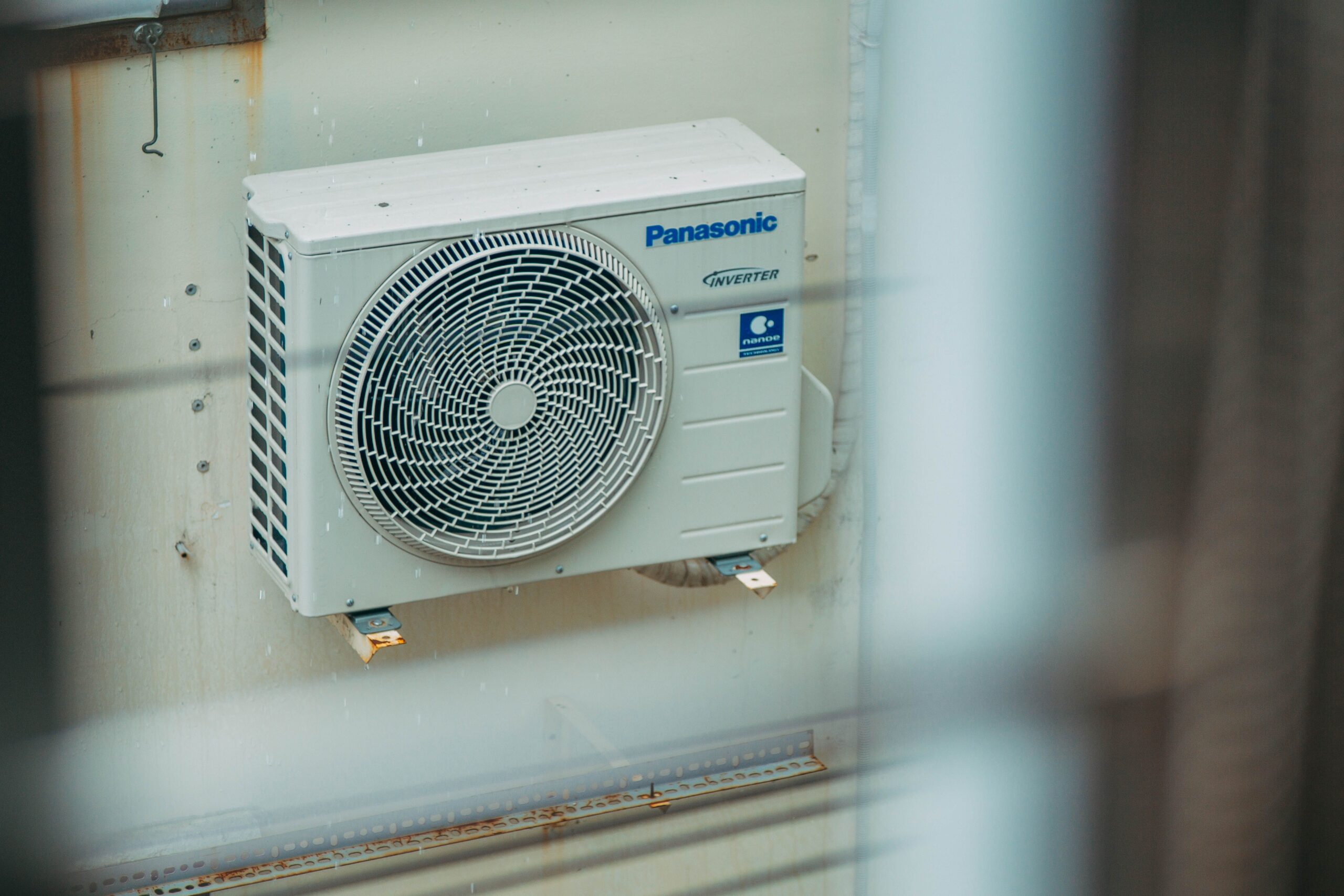
The outdoor condenser unit needs adequate airflow to operate efficiently. Over time, leaves, grass clippings, weeds and other debris can collect around it, limiting airflow and affecting performance.
Inspect the area around the unit regularly and remove anything that may block ventilation. Shrubs and plants should also be trimmed to maintain sufficient clearance around the equipment.
Avoid placing storage items or outdoor furniture too close to the condenser, as restricted airflow can reduce cooling efficiency.
Pay Attention to Unusual Changes
Your air conditioner often gives warning signs before a major problem develops.
If you notice unusual noises, inconsistent cooling, unpleasant odors or reduced airflow, don’t ignore them. These changes may indicate that the system needs inspection or maintenance.
Addressing small concerns early can help prevent them from developing into larger repairs. If something doesn’t seem normal, contacting an HVAC professional is often the safest approach.
Keep Air Vents Unobstructed
Furniture, curtains and other household items can sometimes block supply or return vents without homeowners realizing it.
Blocked vents make it more difficult for cooled air to circulate throughout the home. This can lead to uneven temperatures and cause the air conditioner to work harder.
Walk through your home occasionally to ensure vents remain open and free from obstructions. Proper airflow helps the entire system perform more effectively.
Use Your Thermostat Wisely
The thermostat plays an important role in how your air conditioner operates.
Setting extremely low temperatures will not cool your home instantly. Instead, the system will simply continue running until the desired temperature is reached.
Choosing a comfortable, consistent setting can help reduce unnecessary strain on the equipment. If your home has a programmable or smart thermostat, using scheduled temperature adjustments may also improve energy efficiency while maintaining comfort.
Schedule Professional Maintenance
Even if your air conditioner appears to be working normally, periodic professional maintenance is still valuable.
During a maintenance visit, an HVAC technician can inspect electrical components, check refrigerant levels if appropriate, examine airflow, clean important parts and identify developing issues before they become more serious.
Routine servicing may also help extend the life of the equipment by ensuring the system continues operating as intended.
Keep the Indoor Unit Clean
Dust and debris can accumulate around the indoor portion of an air conditioning system over time.
While homeowners should avoid opening sealed components, keeping the surrounding area clean can support airflow and reduce the amount of dust entering the system.
Follow the manufacturer’s recommendations for any homeowner maintenance tasks, and avoid attempting repairs or disassembly unless specifically qualified to do so.
Don’t Ignore Water Around the Unit
Air conditioners naturally produce condensation during operation. However, standing water or noticeable leaks around the indoor unit should not be ignored.
A clogged condensate drain or another issue may prevent moisture from draining properly. Left unresolved, excess moisture could contribute to water damage or encourage mold growth.
If you notice persistent leaking, arrange for the system to be inspected instead of assuming the problem will disappear on its own.
Give the System a Break When Possible
Although air conditioners are designed to operate for extended periods, homeowners can still reduce unnecessary wear through simple habits.
Closing curtains or blinds during the hottest part of the day can reduce heat entering the home. Using ceiling fans may also help circulate cool air more effectively, allowing the air conditioner to maintain comfortable temperatures with less effort.
Improving insulation and sealing drafts around doors and windows can also reduce the cooling demand placed on the system.
Learn More About Your Equipment
Every air conditioning system has its own maintenance recommendations and operating guidelines.
Reading the owner’s manual can provide useful information about filter replacement, seasonal care and general operation. If you need more info, your HVAC contractor or the equipment manufacturer can often answer questions specific to your system.
Understanding how your particular unit is designed to operate makes it easier to recognize when something isn’t working as expected.
Keep an Eye on Energy Bills
Your monthly utility bill can sometimes reveal changes in your air conditioner’s performance.
If electricity costs suddenly increase without a corresponding rise in usage or outdoor temperatures, the system may not be operating as efficiently as before.
While many factors influence energy consumption, an unexplained increase may be worth discussing with an HVAC professional. Early inspection can identify developing issues before they become more costly to repair.
Consistent Care Makes a Difference
Keeping an air conditioner in good condition doesn’t usually require complicated maintenance. Instead, it’s the combination of regular filter changes, proper airflow, routine inspections and prompt attention to unusual symptoms that helps support reliable performance.
Homeowners can contribute significantly by following simple maintenance habits while leaving technical repairs to qualified professionals. Together, these efforts can help improve efficiency, reduce unnecessary wear and keep the system operating more reliably throughout the year.
By caring for your air conditioner consistently rather than waiting for problems to appear, you can create a more comfortable home environment while helping your cooling system perform at its best for years to come.
