


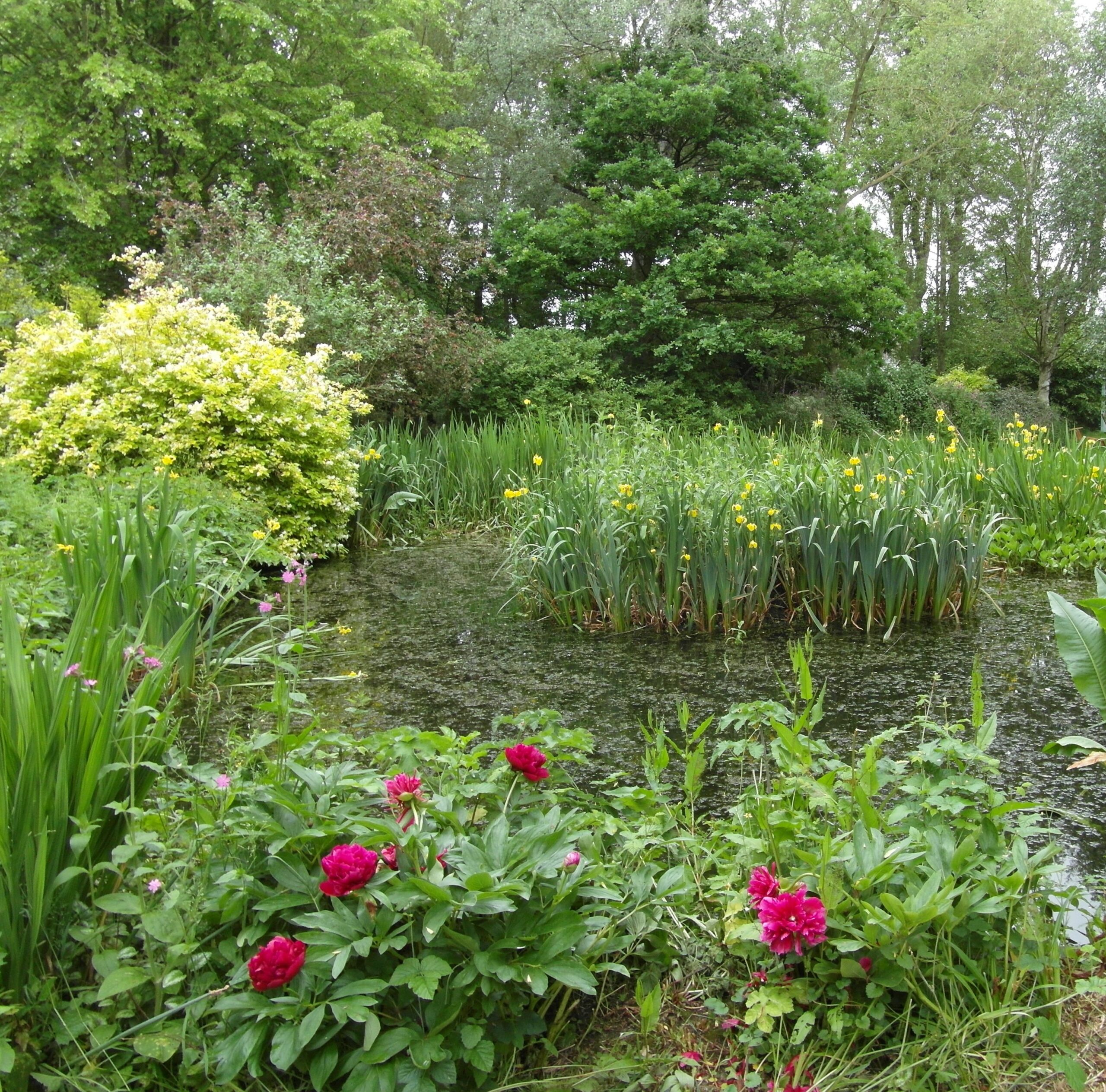
Water lilies are among the most attractive aquatic plants, known for their elegant floating leaves and stunning flowers that brighten ponds, lakes, and water gardens. These plants create a peaceful natural environment while also providing shade and shelter for aquatic life. Whether you are a beginner gardener or an experienced plant enthusiast, growing water lilies can be a rewarding experience.
This guide will help you understand everything you need to know about Water Lilies: A Complete Guide to Growing and Caring for These Beautiful Aquatic Plants, including choosing the right varieties, planting methods, care tips, and common problems.
Understanding Water Lilies
Water lilies belong to the family Nymphaeaceae and are perennial aquatic plants that grow in freshwater environments. They are best known for their round, floating leaves called lily pads and their beautiful flowers that appear in various colors, including white, pink, yellow, red, and purple.
There are two main types of water lilies:
Hardy Water Lilies
Hardy water lilies are ideal for cooler climates because they can survive lower temperatures. They usually bloom during the warmer months and return each year with proper care.
Tropical Water Lilies
Tropical water lilies prefer warm conditions and produce larger, more colorful flowers. Some tropical varieties bloom at night, adding a unique charm to water gardens.
Choosing the Right Location for Water Lilies
Selecting the proper location is essential for healthy growth. Water lilies need plenty of sunlight to produce flowers and maintain strong leaves.
Sunlight Requirements
Most water lilies require at least 5–6 hours of direct sunlight daily. A sunny pond or water container will encourage better blooming and healthier growth.
Water Depth
The ideal planting depth depends on the variety. Generally, water lilies grow well when placed about 12–24 inches below the water surface. Larger varieties may require deeper water.
How to Plant Water Lilies
Planting water lilies correctly helps them establish strong roots and produce beautiful blooms.
Step 1: Select a Suitable Container
Choose a wide, shallow container with drainage holes. Aquatic planting baskets are commonly used because they allow roots to spread while keeping soil contained.
Step 2: Use the Right Soil
Water lilies grow best in heavy garden soil or aquatic plant soil. Avoid lightweight potting mixes because they can float away and create problems in your pond.
Step 3: Plant the Rhizome
Place the water lily rhizome in the soil at an angle, keeping the growing tip slightly exposed. Cover the soil with a layer of gravel to prevent it from washing away.
Step 4: Place the Plant in Water
Slowly lower the container into the pond or water garden. Gradually move it deeper as the plant grows and develops new leaves.
Caring for Water Lilies
Proper maintenance is important for keeping your plants healthy and attractive. Water Lilies: A Complete Guide to Growing and Caring for These Beautiful Aquatic Plants includes regular care practices that help ensure long-lasting blooms.
Fertilizing Water Lilies
Water lilies are heavy feeders and benefit from aquatic plant fertilizer tablets. Apply fertilizer during the growing season to encourage strong leaves and frequent flowers.
Pruning and Maintenance
Remove yellowing leaves and faded flowers regularly. This keeps the plant looking attractive and prevents decaying material from affecting water quality.
Controlling Pests
Common pests include aphids and leaf beetles. Most infestations can be managed by gently washing leaves with water or introducing natural predators such as beneficial insects.
Common Problems When Growing Water Lilies
Although water lilies are relatively easy to grow, they may experience some issues.
Lack of Flowers
If your water lily produces many leaves but few flowers, it may not be receiving enough sunlight or nutrients. Moving it to a sunnier location and adding fertilizer can improve blooming.
Yellow Leaves
Yellow leaves can be caused by natural aging, poor water quality, or nutrient deficiencies. Removing damaged leaves and maintaining clean water can help restore plant health.
Overcrowding
Water lilies spread quickly and may become overcrowded. Dividing the plants every few years keeps them healthy and encourages better growth.
Benefits of Growing Water Lilies
Water lilies provide many advantages beyond their beauty. They help improve pond environments by providing shade that reduces algae growth. Their leaves also offer shelter for fish and other aquatic creatures.
Adding water lilies to your garden can create a relaxing atmosphere and transform a simple pond into a natural focal point.
Final Thoughts
Growing water lilies is a wonderful way to enhance your outdoor space with natural beauty and tranquility. With the right location, proper planting techniques, and regular care, these aquatic plants can thrive for many years.
By following Water Lilies: A Complete Guide to Growing and Caring for These Beautiful Aquatic Plants, you can enjoy colorful blooms, healthier water gardens, and a more vibrant outdoor environment. Whether you choose hardy or tropical varieties, water lilies are a perfect addition to any garden pond.
