


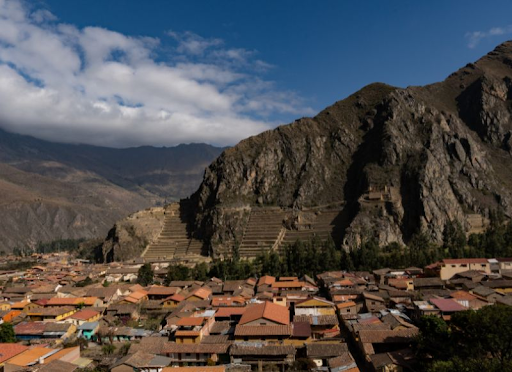
The Classic Sacred Valley is one of Peru’s most important cultural and historical regions, offering travelers an extraordinary blend of archaeology, landscapes, and living traditions. Located between Cusco and Machu Picchu, the Sacred Valley of the Incas was once the agricultural, spiritual, and strategic center of the Inca Empire. A Classic Sacred Valley experience takes visitors through the valley’s most iconic sites, providing a comprehensive introduction to Inca engineering, Andean culture, and breathtaking natural beauty.
Understanding the Importance of the Classic Sacred Valley
The Sacred Valley was highly valued by the Incas due to its fertile land, mild climate, and proximity to Cusco, the empire’s capital. The Urubamba River flows through the valley, sustaining agriculture and connecting important settlements. During the Inca period, this region served as a key area for food production, religious ceremonies, and royal estates.
Today, the Classic Sacred Valley route highlights the most significant archaeological sites and traditional towns, making it an essential part of any journey through southern Peru.
Main Highlights of the Classic Sacred Valley
Pisac Archaeological Site and Market
Pisac is one of the first stops on a Classic Sacred Valley tour. The archaeological complex sits high above the valley and features agricultural terraces, ceremonial spaces, and residential areas. From the site, visitors enjoy panoramic views of the valley below.
The town of Pisac is also known for its vibrant market, where local artisans sell handmade textiles, jewelry, and ceramics. The market reflects traditional Andean craftsmanship and offers insight into local daily life.
Ollantaytambo: The Living Inca Town
Ollantaytambo is one of the best-preserved Inca towns in Peru and a highlight of the Classic Sacred Valley. The massive stone terraces and temples demonstrate advanced Inca engineering and strategic planning. The site is believed to have served as a royal estate and military stronghold.
Unlike many archaeological sites, Ollantaytambo remains a living town, with residents still using original Inca streets and canals. This unique continuity of history makes it one of the most fascinating destinations in the valley.
Chinchero and Andean Textile Traditions
Chinchero is a traditional Andean village known for its strong cultural identity and textile heritage. Visitors can observe traditional weaving techniques that have been passed down for generations. Natural dyes made from plants and minerals are still used to create vibrant patterns with symbolic meaning.
The archaeological site in Chinchero includes Inca terraces and colonial structures, highlighting the blending of cultures that defines much of the Sacred Valley.
The Landscapes of the Classic Sacred Valley
One of the defining features of the Classic Sacred Valley is its stunning natural scenery. Snow-capped peaks, rolling hills, and fertile farmland create a dramatic backdrop for the archaeological sites. The valley’s beauty is not only visual but also spiritual, as the Incas believed the surrounding mountains, known as apus, were sacred protectors.
Traveling through the valley allows visitors to experience the harmony between nature and human design that was central to Inca civilization.
Cultural Experiences in the Sacred Valley
A Classic Sacred Valley journey offers more than historical exploration. It provides opportunities to connect with Andean culture through food, music, and daily life. Traditional dishes made with local ingredients such as corn, potatoes, and quinoa reflect centuries-old agricultural practices.
Interacting with local communities allows travelers to understand the resilience of Andean traditions and their continued relevance in modern life.
Why Choose a Classic Sacred Valley Tour?
Comprehensive Introduction to Inca Culture
The Classic Sacred Valley tour covers the most important sites, making it ideal for travelers who want a well-rounded understanding of Inca history.
Ideal Acclimatization Route
The Sacred Valley lies at a lower altitude than Cusco, making it a perfect place to acclimatize before visiting higher-altitude destinations such as Machu Picchu or trekking routes.
Accessibility and Comfort
The Classic Sacred Valley route is easily accessible by road and suitable for travelers of all ages and fitness levels. Guided tours provide transportation, interpretation, and logistical support.
Best Time to Visit the Classic Sacred Valley
The Sacred Valley can be visited year-round, but the dry season from May to September offers the most stable weather conditions. Clear skies enhance views and make walking through archaeological sites more comfortable.
The rainy season from November to March brings lush green landscapes and fewer visitors, though rain showers are more frequent. Each season offers a different perspective on the valley’s beauty.
Practical Tips for Visiting the Classic Sacred Valley
To make the most of a Classic Sacred Valley experience, travelers should consider the following:
- Wear comfortable walking shoes
- Dress in layers for changing temperatures
- Bring sun protection and water
- Carry cash for local markets
- Respect local customs and archaeological sites
Most Classic Sacred Valley tours last a full day, making them a convenient addition to any itinerary.
Who Is the Classic Sacred Valley Best For?
The Classic Sacred Valley is ideal for:
- First-time visitors to Peru
- History and archaeology enthusiasts
- Families and small groups
- Travelers seeking cultural immersion
- Visitors on their way to Machu Picchu
Its combination of accessibility, depth, and beauty makes it one of the most popular experiences in the region.
Conclusion
The Classic Sacred Valley is a timeless journey through the heart of the Inca civilization. With its remarkable archaeological sites, breathtaking landscapes, and living cultural traditions, the valley offers an experience that is both educational and inspiring. From the terraces of Pisac to the stone temples of Ollantaytambo and the weaving traditions of Chinchero, the Classic Sacred Valley reveals the ingenuity, spirituality, and resilience of the Andean world. For travelers seeking to understand Peru beyond its most famous landmarks, the Classic Sacred Valley stands as an essential and unforgettable destination.
