


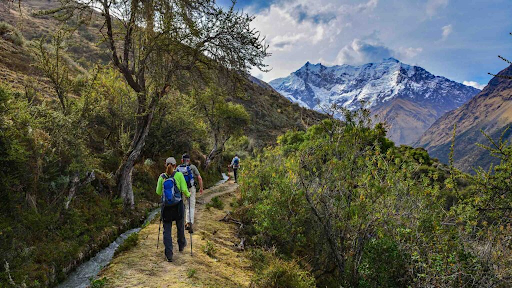
The Inca Trail is one of the most iconic trekking routes in the world, leading adventurers through lush cloud forests, ancient Inca ruins, and breathtaking mountain landscapes to the legendary citadel of Machu Picchu. However, due to its popularity and strict government regulations, Inca Trail available is limited, making careful planning essential for travelers wishing to experience this once-in-a-lifetime journey.
This guide provides a comprehensive overview of trail availability, booking strategies, itinerary options, and practical tips to ensure a successful Inca Trail adventure.
Understanding Inca Trail Availability
The Peruvian government tightly controls the number of hikers allowed on the Inca Trail each day to protect the fragile ecosystem and historical sites. Currently, only 500 permits are issued daily, including trekkers, guides, and porters. Of these, approximately 200 are allocated to trekkers, which means spots sell out quickly, especially during peak season.
Key Points About Inca Trail Availability:
- The trail is open year-round, except for annual maintenance in February.
- Permits can sell out 3–6 months in advance, with peak season (May–September) selling out even earlier.
- Booking through authorized tour operators is mandatory; independent hiking is not allowed.
- Limited availability ensures preservation of the trail and a safer experience for trekkers.
Peak and Off-Peak Seasons
Understanding the seasonal trends can help secure Inca Trail availability:
1. Peak Season (May–September)
- Best weather: sunny days and clear skies
- High demand: permits sell out months in advance
- Ideal for photography and panoramic views
2. Shoulder Season (April and October)
- Moderate weather and fewer crowds
- Some sections may be muddy from occasional rain
- Easier to find available permits
3. Off-Season (November–March)
- Trail is wet and slippery due to rain
- February is closed for maintenance
- Lower demand; more availability but challenging conditions
How to Secure Inca Trail Permits
Because permits are limited, it is essential to plan early. Here are some strategies:
1. Book Through a Licensed Tour Operator
Independent trekking is prohibited. Only licensed operators can reserve permits. Look for companies with:
- Official government authorization
- Positive customer reviews
- Experience in arranging accommodations, food, and porters
2. Plan 4–6 Months in Advance
During high season, permits may sell out half a year in advance. Early booking ensures your preferred dates and route options.
3. Be Flexible With Dates
If your ideal date is unavailable, consider adjacent dates or off-peak months. Even a one-day shift can secure availability.
4. Confirm Documentation
You must provide:
- Full name as in your passport
- Passport number
- Date of birth
This information is required to book permits.
Popular Inca Trail Routes
The standard 4-day Inca Trail is the most popular, but alternatives exist for different preferences and availability:
1. Classic 4-Day Trek
- Starts at Km 82 near Ollantaytambo
- Includes Dead Woman’s Pass at 4,215 meters
- Passes through Runkurakay, Sayacmarca, Phuyupatamarca, and Wiñay Wayna
- Arrives at Machu Picchu sunrise on Day 4
2. Short 2-Day Trek
- Ideal for travelers with limited time or lower fitness levels
- Starts at Km 104
- Passes through fewer ruins but still culminates at Machu Picchu
- Availability is slightly easier than the 4-day trek
3. Alternative Routes
- Salkantay Trek or Lares Trek are other options leading to Machu Picchu
- Available year-round and less crowded
- Require separate permits and tour arrangements
Understanding which route suits your schedule and fitness is crucial when planning your Inca Trail journey.
Health and Fitness Requirements
Hiking the Inca Trail is physically demanding due to steep ascents, high altitude, and rugged terrain. Preparing in advance improves your chances of enjoying the trek fully.
Recommended Preparation:
- Cardiovascular training (running, hiking, cycling)
- Strength training for legs and core
- Acclimatization in Cusco (2–3 days recommended)
- Hydration and a balanced diet
Being fit ensures you can handle the altitude and complete the trek comfortably.
Packing for the Inca Trail
Proper gear is essential to a successful trek. Here’s what to bring:
Clothing
- Layered clothing for cold mornings and warm afternoons
- Waterproof jacket and pants
- Hiking boots with ankle support
- Hat and gloves
Essentials
- Water bottles or hydration system
- Snacks and energy bars
- Sunscreen and sunglasses
- Headlamp for early starts
- Trekking poles (optional but helpful)
Optional Items
- Camera for capturing stunning landscapes
- Lightweight daypack
- Personal toiletries
Tips for Securing Inca Trail Availability
- Book Early: Reserve permits as soon as possible to avoid disappointment.
- Consider Shoulder Months: April and October offer good weather and slightly better availability.
- Use Reputable Operators: Verify license and customer reviews.
- Have Backup Dates: Flexibility increases your chances of securing a permit.
- Acclimatize: Spend time in Cusco to prevent altitude sickness.
By following these tips, travelers can secure Inca Trail availability and enjoy a safe, memorable journey.
Why the Inca Trail is Worth the Planning
Despite its limited availability and strict regulations, the Inca Trail remains one of the world’s most rewarding trekking experiences. Reasons include:
- Cultural Richness: Hike through ancient Inca ruins and learn about their engineering, religion, and society.
- Natural Beauty: Experience cloud forests, alpine valleys, and snow-capped peaks.
- Machu Picchu Sunrise: Arriving at the Sun Gate and witnessing the first rays of light on Machu Picchu is unforgettable.
- Personal Achievement: Completing the trail is both physically and mentally satisfying.
The effort required to secure a permit and prepare for the trek is well worth the experience.
Conclusion
The Inca Trail available is a highly sought-after opportunity, with strict daily quotas and limited permits designed to preserve the trail’s beauty and cultural heritage. Early planning, booking through licensed tour operators, and proper physical preparation are essential to ensure a successful trek. Whether opting for the classic 4-day route or the shorter 2-day hike, the Inca Trail offers a unique combination of adventure, history, and breathtaking scenery.
For travelers willing to plan ahead, the Inca Trail provides one of the most iconic and rewarding journeys in South America. From high mountain passes to ancient ruins, lush forests, and the dramatic Machu Picchu sunrise, every step on the trail is a testament to the ingenuity and spirit of the Inca civilization. Securing your permit and preparing well allows you to experience this once-in-a-lifetime adventure safely, comfortably, and memorably.
