


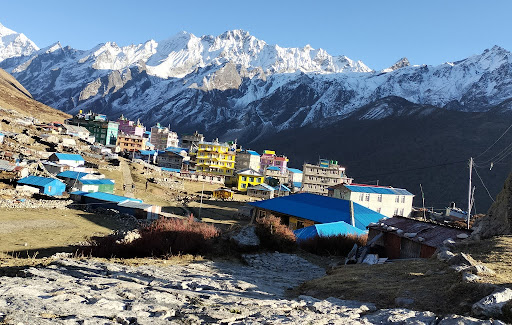
Nestled in the heart of the Himalayas, the Langtang Valley Trek stands out as one of Nepal’s most captivating adventure tours. Often referred to as the “Valley of Glaciers,” this trek offers a perfect blend of stunning natural beauty, rich cultural immersion, and moderate physical challenges, making it an ideal choice for both novice and experienced trekkers. As a premier Nepal adventure tour, the Langtang Valley Trek takes you through lush forests, charming Tamang villages, and up to breathtaking viewpoints overlooking snow-capped peaks like Langtang Lirung (7,227m). Unlike more crowded routes such as Everest Base Camp, Langtang provides a serene escape, allowing you to connect deeply with Nepal’s pristine wilderness. Whether you’re seeking thrilling hikes or peaceful moments amid rhododendron blooms, this trek promises an unforgettable journey. In this guide, we’ll explore everything you need to know to plan your Langtang Valley Trek, from itineraries to preparation tips.
Overview of the Langtang Valley Trek
The Langtang Valley Trek is a classic Nepal adventure tour that spans approximately 77 kilometers, typically completed in 7 to 10 days. Starting from Syabrubesi, a short drive from Kathmandu, the trail ascends through diverse landscapes, from subtropical forests teeming with wildlife to alpine meadows dotted with yaks. The trek’s highest point is Kyanjin Gompa at 3,870 meters, where trekkers can enjoy panoramic views of towering Himalayas and explore ancient monasteries.
What sets this trek apart is its accessibility—it’s one of the closest Himalayan treks to Kathmandu, yet it feels worlds away. The region is home to the Tamang and Sherpa communities, whose warm hospitality and traditional lifestyles add a cultural depth to the adventure. Rebuilt after the devastating 2015 earthquake, Langtang Village now showcases resilient communities with colorful teahouses and local cheese factories. For those on a Nepal adventure tour, side trips like climbing Tserko Ri (4,985m) offer optional challenges with rewarding vistas. The trek’s moderate difficulty rating makes it suitable for beginners with basic fitness, but it still delivers the thrill of high-altitude exploration. Expect to encounter red pandas, Himalayan black bears, and a variety of bird species in Langtang National Park, Nepal’s first Himalayan national park established in 1976.
Best Recommended Trekking company in Nepal Escape himalaya
For travelers seeking an unforgettable Himalayan adventure, Best Recommended Trekking Company in Nepal Escape Himalaya stands out as a trusted and professional choice. Known for its experienced local guides, carefully designed itineraries, and commitment to safety, Escape Himalaya delivers exceptional trekking experiences across Nepal’s most iconic regions. From the majestic Everest trails to the breathtaking Annapurna landscapes, the company ensures every journey is well-organized and culturally enriching.
Their focus on personalized service, responsible tourism, and customer satisfaction makes them highly recommended by global travelers. With Escape Himalaya, trekkers can explore Nepal’s natural beauty with confidence, comfort, and expert guidance every step of the way.
Best Time to Embark on Your Langtang Valley Trek
Timing is crucial for any Nepal adventure tour, and the Langtang Valley Trek is no exception. The optimal seasons are spring (March to May) and autumn (September to November), when the weather is stable, skies are clear, and temperatures are moderate—ranging from 10-20°C during the day at lower elevations and dropping to around 0°C at night higher up. Spring brings vibrant rhododendron forests in full bloom, transforming the trails into a colorful spectacle, while autumn offers crisp air and unobstructed mountain views post-monsoon.
Avoid the monsoon season (June to August), as heavy rains can lead to landslides and leech-infested paths, making trekking hazardous. Winter (December to February) is possible for seasoned adventurers, but expect cold temperatures below freezing and potential snow, which can close higher trails. For those planning a Langtang Valley Trek in 2026, aim for mid-March or late September to catch the best conditions and fewer crowds. Always check weather forecasts, as climate patterns can shift, but these windows ensure a safer, more enjoyable Nepal adventure tour.
Detailed Itinerary for the Langtang Valley Trek
A standard 7-9 day itinerary for the Langtang Valley Trek balances ascent, acclimatization, and descent, ensuring a safe and scenic Nepal adventure tour. Here’s a day-by-day breakdown:
- Day 1: Kathmandu to Syabrubesi (1,500m) – 7-8 hours drive. Begin your journey with a scenic bus or jeep ride from Kathmandu through terraced fields and riverside villages. Arrive in Syabrubesi, a bustling trailhead town, and rest in a basic lodge.
- Day 2: Syabrubesi to Lama Hotel (2,350m) – 6 hours trek. The trail follows the Langtang Khola river, passing through oak and rhododendron forests. Cross suspension bridges and ascend gradually, spotting monkeys and birds en route.
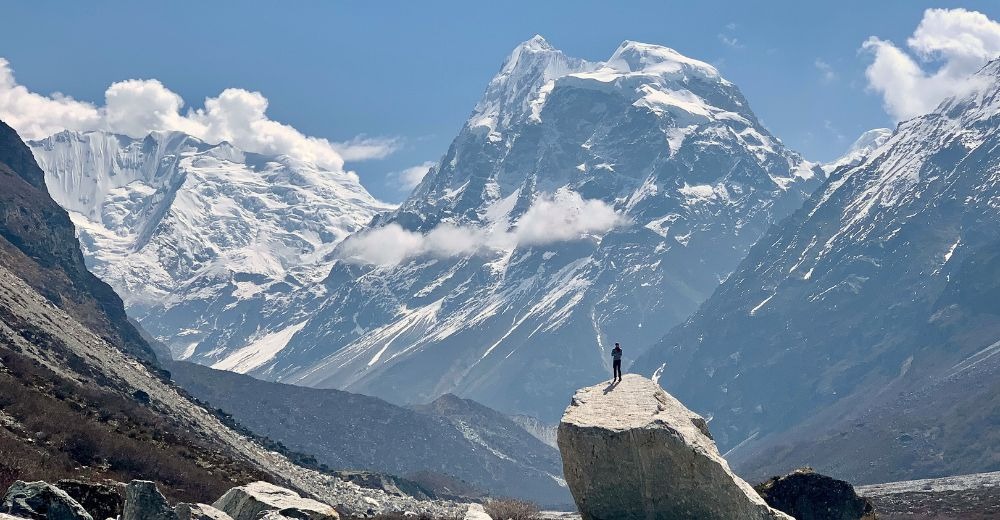
- Day 3: Lama Hotel to Langtang Village (3,430m) – 6-7 hours. Climb through dense woods to Ghodatabela, then enter open valleys with views of Langtang Lirung. Reach the rebuilt Langtang Village, known for its stone houses and yak cheese.
- Day 4: Langtang Village to Kyanjin Gompa (3,870m) – 3-4 hours. A shorter day allows for acclimatization. Hike past mani walls and chortens to Kyanjin Gompa, a monastery hub with glacier views.
- Day 5: Acclimatization Day at Kyanjin Gompa. Explore side hikes like Kyanjin Ri (4,773m) or Tserko Ri for 360-degree panoramas. Visit the local cheese factory or relax amid the peaks.
- Days 6-7: Descent to Syabrubesi. Retrace your steps, descending over two days with optional stops. Return to Kathmandu on Day 8.
This itinerary can be extended for combinations like Gosainkunda Lake, adding sacred high-altitude lakes to your Nepal adventure tour. Daily walking hours average 5-7, with elevation gains of 500-800 meters.
What to Expect on the Trail
Embarking on the Langtang Valley Trek as part of your Nepal adventure tour means immersing yourself in a tapestry of natural wonders and cultural encounters. The trail winds through Langtang National Park, home to over 1,000 plant species, 250 bird types, and elusive wildlife like snow leopards. Expect varying terrain: rocky paths, river crossings, and steep sections that test your endurance but reward with jaw-dropping scenery.
Accommodations are teahouses—simple lodges offering twin rooms, shared bathrooms, and hearty meals like dal bhat (lentil curry with rice). Electricity is available but intermittent, so pack power banks. Culturally, you’ll interact with Tamang people, influenced by Tibetan Buddhism, visiting gompas (monasteries) adorned with prayer flags.
The post-earthquake resilience is evident in rebuilt communities, fostering a sense of solidarity. Challenges include altitude sickness risks, so monitor symptoms like headaches. Overall, the trek delivers solitude, stunning sunrises over glaciers, and a profound connection to Nepal’s Himalayan heritage.
Preparation and Essential Tips for the Langtang Valley Trek
Proper preparation is key to a successful Nepal adventure tour like the Langtang Valley Trek. Start with physical training: aim for 4-6 weeks of cardio, such as hiking or stair climbing, to build stamina for 5-7 hour daily walks. No extreme fitness is required, but beginners should practice with a loaded backpack.
Essential gear includes sturdy trekking boots, layered clothing (thermal base, fleece, waterproof jacket), a sleeping bag rated to -10°C, trekking poles, and a first-aid kit with altitude medication like Diamox. Pack light—aim for 10-15kg. Hydration is vital; drink 3-4 liters daily and use purification tablets.
For acclimatization, ascend slowly and include rest days. Obtain permits: TIMS card (about $20) and Langtang National Park entry ($30). Hire a guide or porter for safety and local insights, especially if solo. Respect the environment—follow “leave no trace” principles. Finally, get travel insurance covering high-altitude trekking and evacuations. With these tips, your Langtang Valley Trek will be smooth and memorable.
Permits, Costs, and Practical Considerations
Planning the logistics for your Langtang Valley Trek ensures a hassle-free Nepal adventure tour. Permits are straightforward: the Trekkers’ Information Management System (TIMS) card costs around NPR 2,000 ($15-20), and the Langtang National Park entry fee is NPR 3,000 ($25-30). These can be obtained in Kathmandu or at the park entrance.
Budget-wise, expect $30-50 per day, covering teahouse stays ($5-10/night), meals ($5-8 each), and transport. Guided tours range from $500-800 for 7-10 days, including permits and porters. Independent trekkers save money but should factor in tips for guides (NPR 1,000/day).
Health precautions include vaccinations for hepatitis and typhoid. ATMs are scarce, so carry cash in Nepali rupees. Sustainable practices, like supporting local economies, enhance the experience. For 2026 trips, book early during peak seasons to secure spots.
Conclusion
The Langtang Valley Trek encapsulates the essence of a Nepal adventure tour—blending raw Himalayan beauty with authentic cultural experiences. From the thrill of ascending to Kyanjin Gompa to the serenity of village life, this journey leaves an indelible mark. Whether you’re a first-time trekker or a seasoned explorer, Langtang offers accessible yet profound adventures. Prepare thoughtfully, respect the land, and embrace the unexpected. As you return from this valley of glaciers, you’ll carry not just memories, but a renewed appreciation for Nepal’s enduring spirit. Start planning your Langtang Valley Trek today for an adventure that transcends the ordinary.
CONTACT US;
COMPANY NAME; ESCAPE HIMALAYA PVT LIMITED
EMAIL; [email protected]
ADDRESS; Khusibu, Kathmandu, Nepal
WHATSAPP NO; +977-9851006121
