


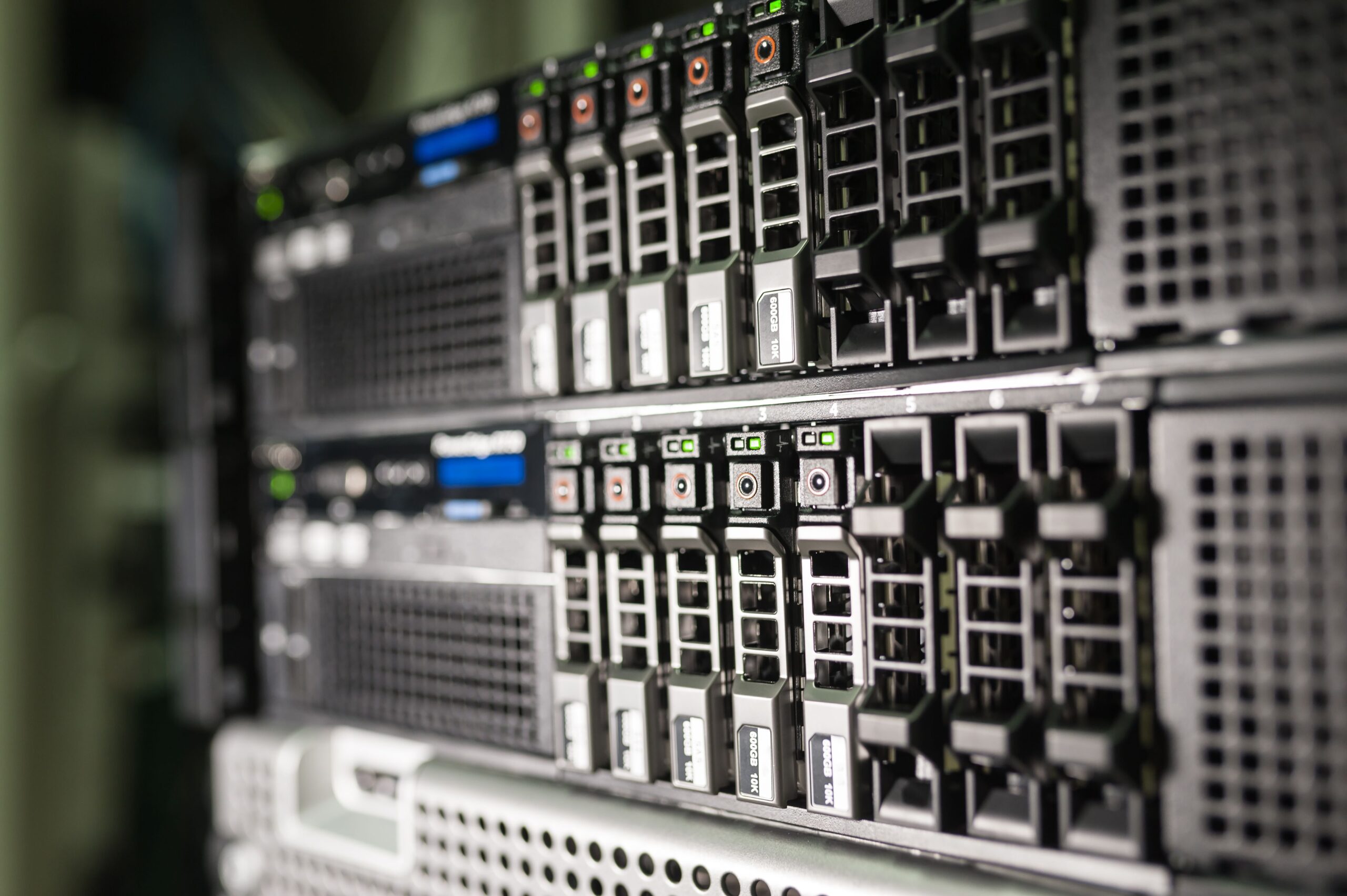
Modern digital infrastructure demands constant stability to support round-the-clock business operations, pushing modern computing facilities beyond simple backup hardware toward active operational endurance across every digital network. Transitioning from basic equipment duplication to true operational resilience allows facilities to absorb unexpected technical shocks without interrupting live user connections or degrading service quality. Ultimately, this strategic shift to comprehensive system endurance ensures that businesses maintain continuous, high-level performance even during sudden physical or operational disruptions.
Shift From Physical Backups to Dynamic Operational Systems
For decades, facilities relied almost exclusively on hardware duplication to prevent catastrophic system downtime. Operating teams installed secondary power generators and spare cooling units to step in during unexpected hardware failure. While extra equipment provided basic protection, it often failed to prevent momentary service drops during sudden transition shifts. Modern infrastructure requires proactive, real-time failovers to bridge these critical gaps seamlessly.
Modern enterprise systems require a much more fluid approach to continuous operational stability. Today, software tools intelligently route active workloads away from failing components in real time. This active adaptation ensures that critical applications remain online without suffering severe performance degradation or data loss.
Adapt Infrastructure to Support High Density Processing Demands
Artificial intelligence and advanced data processing generate massive heat spikes that traditional facility setups struggle to clear. Older cooling models relied on steady room airflow that simply cannot manage concentrated heat from modern processing racks. Facilities must upgrade physical cooling pathways to safely dissipate intense heat loads generated by advanced computing hardware.
Managing these intense processing loads requires a fundamental shift in daily power distribution strategies. Industry operators relying on a comprehensive data center mission critical service can maintain optimal equipment safety across high-density environments.
Upgrading power management strategies prevents sudden circuit overloads and protects valuable hardware investments. This comprehensive overhaul guarantees that high-performance computing systems run reliably without overheating or suffering power disruptions.
Mitigate Human Error Through Advanced Automated Monitoring
Human operational mistakes remain a leading cause of unplanned system outages across modern technical facilities. Complex physical layouts can make manual equipment inspections slow and prone to oversight during busy work shifts. Implementing intelligent monitoring tools allows technicians to track component health metrics constantly without manual disruption.
Automated systems track minute changes in equipment temperature, electrical current, and vibration patterns. Early warning alerts give maintenance teams ample time to fix degrading components before catastrophic failures occur. Minimizing manual intervention creates a safer operational environment while dramatically lowering the risk of accidental downtime. Catching these subtle operational shifts early extends equipment lifespans and stabilizes overall facility performance.
Build Flexible Architectures for Unpredictable Workload Surges
Modern consumer demand creates sudden processing surges that can quickly overwhelm rigid server infrastructures. E-commerce spikes and sudden data transfers require immediate expansion of available computing resources to avoid slowdowns. Building flexible system architectures allows facilities to scale processing capacity instantly during peak usage periods.
Physical infrastructure must seamlessly adapt to these rapid computational shifts without causing power instability. Modular power units and flexible cooling channels allow operators to direct resources precisely where active workloads surge. This dynamic operational flexibility keeps high traffic applications running smoothly without wasting energy during quieter operational hours.
Establish Comprehensive Protocols for Rapid Emergency Recovery
Even the most advanced operational systems face occasional hardware interruptions from severe weather or power grid failures. Resilience requires robust recovery procedures that allow facilities to resume full processing capacity within seconds. Establishing clear emergency protocols guarantees that staff members act swiftly and effectively during critical hardware events.
Routine testing of backup energy storage and emergency transfer systems ensures total operational readiness. Teams conduct simulated system failures to verify that automated safety measures trigger precisely as designed. Thorough preparation transforms potential system crises into routine operational adjustments that pass completely unnoticed by end users.
Prioritize Operational Endurance for Long Term Reliability
Rethinking operational design moves computing facilities far beyond simple hardware duplication. Combining dynamic software control, targeted cooling, and predictive maintenance ensures total endurance under extreme conditions. Facilities that prioritize operational flexibility gain a lasting advantage in today’s digital economy.
Building a resilient infrastructure protects valuable enterprise data while delivering uninterrupted experiences to global users. Investing in proactive monitoring and modern power logistics safeguards daily operations against unpredictable technical disruptions. Ultimately, focusing on continuous operational resilience guarantees that mission critical digital systems remain dependable every single day.
