


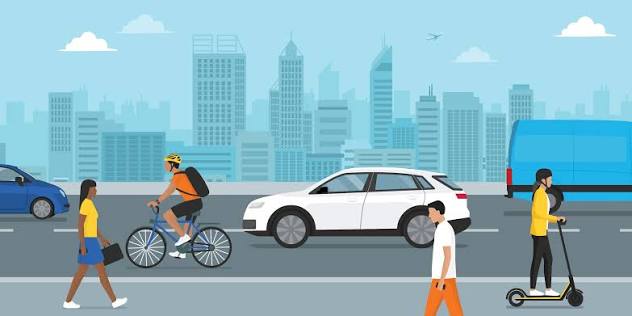
Every road journey involves shared responsibility. Whether travelling by car, bicycle, motorcycle, truck or on foot, every person plays a part in creating a safer transport environment.
Road user safety extends beyond obeying traffic laws—it is about awareness, respect and making informed decisions that reduce the risk of collisions and injuries.
As Australia’s roads become busier with growing populations, increased cycling, and more people choosing active transport, improving road safety requires cooperation from drivers, pedestrians, cyclists, transport authorities and businesses alike.
Road crashes continue to have significant social and economic impacts across Australia. While governments invest in safer infrastructure and stricter regulations, human behaviour remains one of the leading factors contributing to road incidents.
Safe road use helps to:
● Reduce fatalities and serious injuries
● Protect pedestrians and cyclists
● Improve traffic flow
● Lower insurance and healthcare costs
● Create more liveable communities
Every decision made behind the wheel or while using the road can influence the safety of others.
Understanding Vulnerable Road Users
Not every road user has the same level of protection. People outside enclosed vehicles are significantly more exposed during a collision and are therefore considered vulnerable road users.
These include:
● Pedestrians
● Cyclists
● Motorcyclists
● E-scooter riders
● Children
● Older adults
● People with disabilities
Protecting vulnerable road users requires thoughtful road design, effective traffic management, and responsible behaviour from all motorists. Simple actions such as slowing down near crossings, checking blind spots and allowing safe passing distances can make a considerable difference.
Common Causes of Road Incidents
Many crashes occur due to preventable behaviours rather than unavoidable circumstances. Understanding the most common causes allows individuals and organisations to reduce risks before incidents occur.
Mobile phones, navigation systems, eating or even conversations can divert attention from the road. Just a few seconds of distraction may be enough to cause a serious collision.
Driving above the speed limit or too fast for road conditions reduces reaction time and increases stopping distance. Higher speeds also result in more severe injuries during crashes.
Long-distance driving and inadequate sleep impair judgement similarly to alcohol. Taking regular breaks and avoiding driving while tired are essential safety practices.
Many collisions occur at intersections where drivers fail to give way to pedestrians, cyclists or other vehicles.
Rain, fog, darkness and sun glare all reduce visibility. Adjusting speed and increasing following distance help minimise risks in these conditions.
Practical Ways to Improve Road Safety
Everyone can contribute to safer roads through simple daily habits.
● Always observe posted speed limits.
● Keep a safe following distance.
● Avoid distractions while driving.
● Check mirrors and blind spots before turning or changing lanes.
● Never drive under the influence of alcohol or drugs.
● Be particularly cautious around schools, crossings and shared pathways.
● Wear visible clothing, particularly at night.
● Use designated crossings whenever available.
● Follow traffic signals.
● Make eye contact with drivers before crossing.
● Remain alert and avoid distractions such as mobile phones or headphones in busy traffic environments.
Safe roads are designed to minimise risks even when mistakes occur. Modern road infrastructure increasingly incorporates features that protect all users, including:
● Raised pedestrian crossings
● Protected bicycle lanes
● Traffic calming measures
● Better street lighting
● Clear signage and road markings
● Median barriers and safety barriers
Engineering solutions play an important role alongside education and enforcement in reducing crash severity.
Technology Supporting Safer Roads
Technology continues to improve road safety through advanced vehicle systems and intelligent transport solutions.
Many newer vehicles now include features such as:
● Automatic Emergency Braking (AEB)
● Lane Keeping Assistance
● Blind Spot Monitoring
● Adaptive Cruise Control
● Rear Cross Traffic Alerts
● Driver Fatigue Detection
While these technologies provide additional protection, they should never replace attentive and responsible driving.
Education Creates Safer Communities
Road safety education should begin early and continue throughout life. Schools, workplaces and community organisations all have opportunities to promote safe behaviours through awareness campaigns and ongoing training.
Businesses operating vehicle fleets also benefit from regular driver education, risk assessments and vehicle maintenance programmes that prioritise safety over convenience.
Creating a positive road safety culture encourages individuals to think beyond compliance and focus on protecting everyone who shares the road.
For a practical overview of road safety principles and the importance of sharing the road responsibly, this educational YouTube video provides useful insights:
Road Safety Video: https://www.youtube.com/watch?v=Mf0xlUaHgfU
Road user safety is everyone’s responsibility. While governments continue investing in infrastructure, legislation and technology, individual choices remain one of the strongest influences on reducing road trauma.
By staying alert, respecting speed limits, protecting vulnerable road users, and embracing safe driving habits, we can all contribute to safer roads across Australia. Whether travelling to work, walking to school or cycling through the community, every safe decision helps protect lives and creates a transport network where everyone can travel with greater confidence and security.
