


Planning a new construction project involves making decisions that affect functionality and long-term value. Metal buildings have become a popular choice because they provide a practical solution for residential, commercial, agricultural, and industrial applications. They can serve as workshops, garages, warehouses, retail spaces, and many other types of structures.
In addition, modern construction methods have made metal buildings easier to customize for different needs and design preferences. Their combination of strength and flexibility continues to attract property owners looking for reliable building solutions. Learning about their advantages can help you make a more informed decision before construction begins. With that in mind, here are some of the top benefits of choosing a metal building for your next project.
Built to Last Through Changing Conditions
One of the biggest advantages of metal buildings is their impressive durability. Steel structures are engineered to withstand heavy rain, strong winds, or snow loads when designed for the local climate. Unlike wood, metal is not susceptible to termites, rot, or moisture-related warping. As a result, owners often spend less time and money addressing structural issues over the years. Metal buildings also retain their strength and appearance with routine maintenance. This dependable performance makes them a practical choice for projects that are expected to last for decades.
Flexible Designs for Many Different Uses
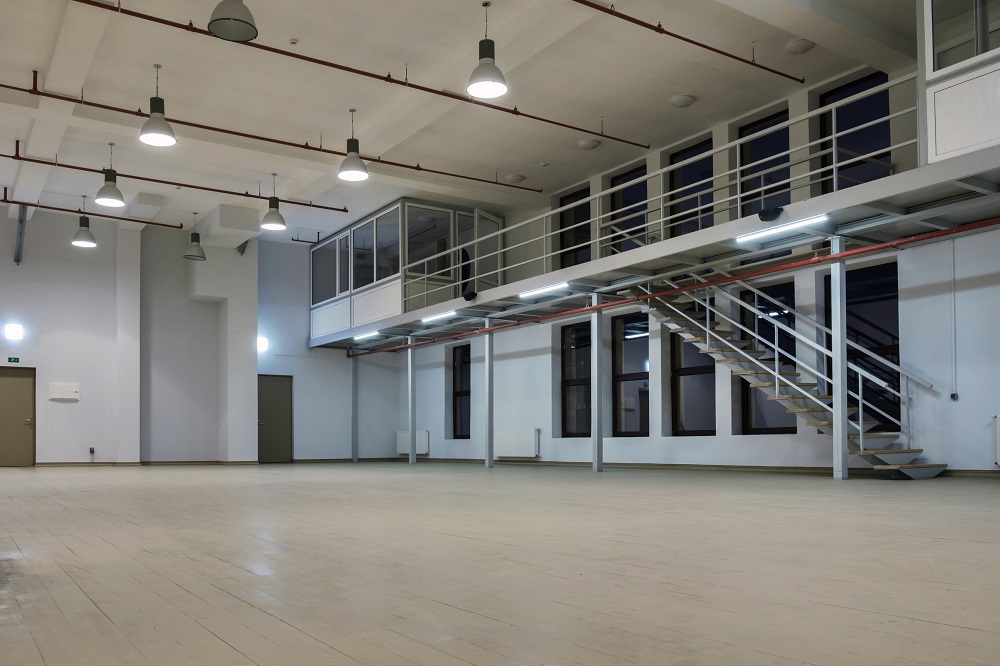
Another major benefit of metal buildings is their exceptional versatility. They are commonly used for storage facilities, manufacturing plants, office spaces, agricultural buildings, recreational centers, and residential garages. Interior layouts can also be adjusted to accommodate changing needs as a business or property grows. Exterior finishes, roof styles, colors, windows, and doors offer additional design flexibility.
During the planning process, you can explore different building companies such as Searcy Building Systems to better understand the different metal buildings available for various applications. This adaptability allows one structure to meet both current requirements and future expansion plans. As your needs evolve, a well-designed metal building can continue to provide practical and efficient space.
Lower Maintenance and Long-Term Savings
Metal buildings are also known for requiring less maintenance than many traditional building materials. Steel does not crack, split, or shrink over time like wood can. In most cases, routine inspections and occasional cleaning are enough to keep the structure in good condition. Protective coatings on metal roofing and siding also help resist corrosion and fading. Because of this, property owners often experience lower maintenance expenses throughout the life of the building. Fewer repair needs can also reduce interruptions to business operations or daily activities.
Faster Construction and Improved Efficiency
Construction timelines are often a major consideration when planning a new project. Fortunately, many metal building components are fabricated off-site and arrive ready for assembly, making installation more efficient than many traditional construction methods. This streamlined process can reduce labor demands and help keep construction on schedule.
Because much of the work is completed before materials reach the job site, there may also be fewer delays related to material preparation or unexpected on-site adjustments. Shorter construction timelines can minimize disruptions for businesses that need to remain operational during the building process. Property owners may also benefit from earlier occupancy, allowing them to begin using the space or generating revenue sooner.
Many metal buildings can also be designed with insulation systems that improve energy efficiency throughout the year. Better temperature control may help reduce heating and cooling costs in suitable climates while creating a more comfortable indoor environment.
Conclusion
Metal buildings continue to grow in popularity because they offer durability, versatility, efficiency, and long-term value. Their ability to support a wide range of applications makes them suitable for projects of almost any size. In addition, lower maintenance requirements help reduce ownership costs over many years. Flexible design options also make it easier to create a building that supports both current and future needs.
Taking time to understand these advantages can simplify the planning process and support better decision-making. Careful preparation also helps ensure your new structure aligns with your goals and budget. In the end, a thoughtfully planned metal building can provide dependable performance and lasting benefits for years to come.
